
Campaigns built around nature, solar innovation, ecological preservation, wildlife advocacy, or sustainable travel all share one major challenge: standing out while staying true to their cause.
In an era of environmental urgency and digital overload, awareness isn’t enough. A campaign needs to be seen, felt, and remembered.
That’s where creative detail plays its quiet but powerful role—guiding the viewer’s eye, inviting them into your message, and ultimately turning interest into action.
Rather than relying on high-volume promotion, effective campaigns today are using meaningful micro-design choices that speak clearly, evoke trust, and keep the campaign’s values intact.
Portable Visuals That Draw Attention
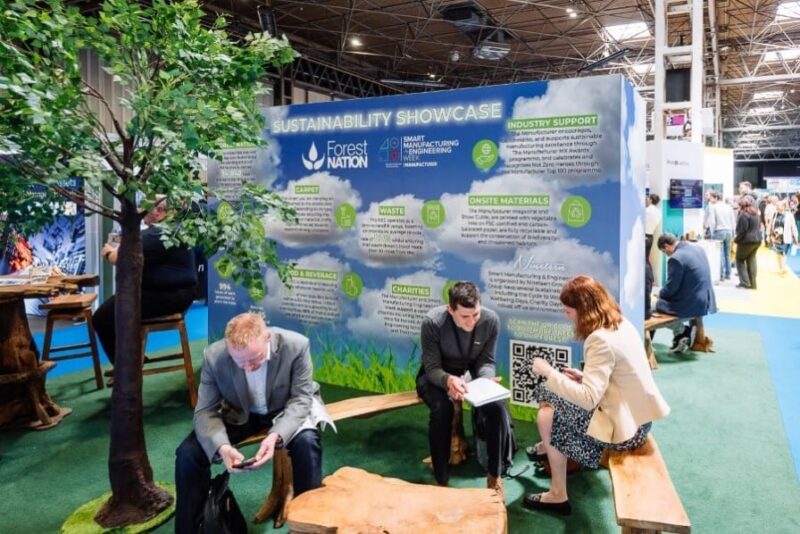
In field-based campaigns—whether it’s an eco-tourism booth, a conservation kiosk, or a solar energy demo—compact and durable visuals matter more than flashy displays. They’re easier to set up, they don’t create unnecessary waste, and they leave a stronger impression when placed thoughtfully.
One versatile tool is the custom acrylic standee. These lightweight, portable displays are perfect for events, booths, and info counters, and they’re particularly well-suited for campaigns with strong visual identities.
A custom acrylic standee can represent a species you’re trying to protect, an illustrated solar panel diagram, or even a miniature travel mascot.
Unlike paper signage or vinyl banners, they’re built to last and easy to place in community centers, nature reserves, eco-lodges, or even inside solar demonstration kits.
Best of all, they serve as both educational tools and conversation starters, making your campaign visible long after someone walks past.
Design Tells a Story Without Words
Effective campaigns do more than inform. They transport. They take people into forests, onto solar rooftops, beside coral reefs—or deep into questions about how we interact with the planet.
This kind of emotional connection can’t be forced. But it can be designed.
Real-world example combinations:
- A marine conservation campaign might use wave-like borders and translucent, recycled materials on its print material to echo ocean themes.
- A solar tourism campaign could include travel stamps inspired by the sun’s arc, using soft yellows, light gradients, and hand-drawn icons of local solar installations.
- An eco-lodge in a wildlife sanctuary might use animal tracks as graphic elements, helping visitors feel more immersed even before they arrive.
These visual touches imply narrative, even without full explanations. They connect with audiences on an instinctive level and make the message more memorable.
Sustainable Materials Aren’t Just Optional—They’re the Message
If your campaign speaks for the Earth, your materials must follow suit. That means every flyer, handout, and branded object is part of your credibility.
Plastic lanyards at a climate summit? They send mixed signals. But biodegradable name tags, seed-paper handouts, or packaging made from agricultural waste? Those are statements.
Here are some thoughtful materials being used in eco-aligned campaigns:
- Seeded paper cards for wildlife donations or solar pledges
- Cotton-fiber brochures that avoid the chemical-heavy glossy finish
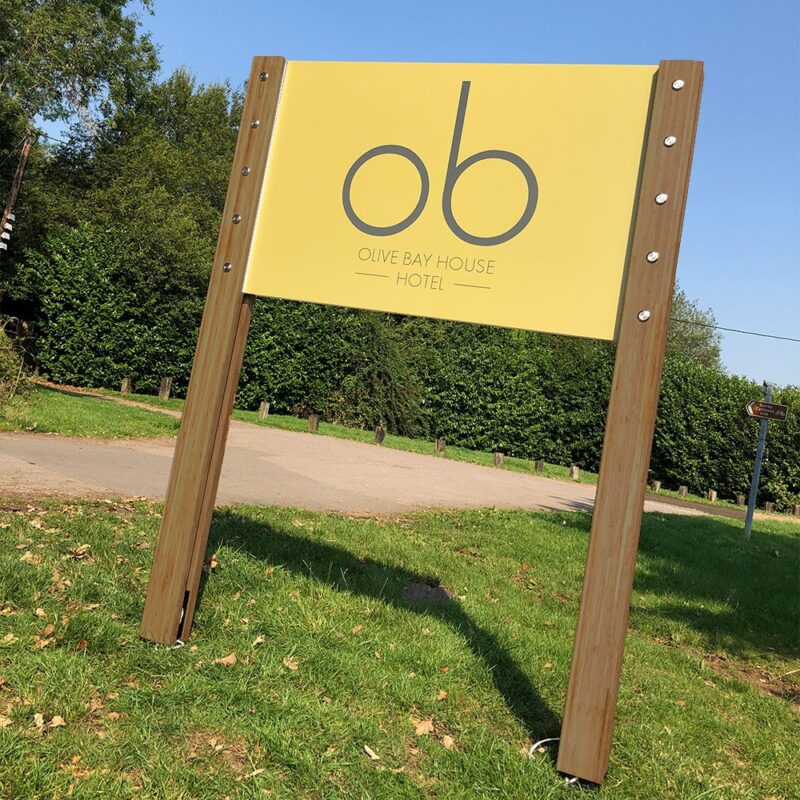
- Bamboo or reclaimed wood signage for eco-lodges or solar installation guides
- Recycled cloth patches for national park volunteer programs
Campaigns that embody their values physically don’t have to explain themselves. The ethics are visible—and that’s powerful.
Movement and Sound: Subtle but Sticky Details
Humans are multi-sensory, yet most campaigns only appeal to one sense: sight. By thoughtfully incorporating sound or movement, you expand how people experience your message.
- A solar-powered display that rotates with light can show solar impact in a playful way.
- Wind-powered mobiles hanging at an outdoor ecology event invite touch and interaction.
- QR codes that play ambient audio—like the hum of bees in a pollination campaign or distant bird calls in a rewilding effort—leave a deeper impression than visuals alone.
These details don’t demand attention. But they invite it.
Let People Interact—Even in Small, Symbolic Ways
Whether you’re trying to boost awareness for wildlife corridors or encouraging off-grid solar adoption, campaigns that invite participation are far more memorable than those that only broadcast.
Here’s how interactive elements elevate connection:
- Eco travel journals given at trailheads, encouraging visitors to record animal sightings, sunlight hours, or plastic collection efforts.
- Solar maps where people track how their rooftops or regions could harness energy differently.
- Volunteer check-in stamps at animal shelters or conservation sites that reward repeat visits.
- Wildlife “passport” cards for kids, gaining badges as they learn about species during park visits.
These “micro-actions” build a sense of ownership in your audience. They turn spectators into partners.
Meaningful Merch That Isn’t Just Stuff
In the travel and ecology space, merchandise should reflect utility, ethics, and symbolism. Instead of flooding your supporters with disposable trinkets, give them something that feels like a keepsake—or a tool.
Smart, campaign-aligned ideas:
- A solar-charged flashlight keychain for travelers or campers who support clean energy access
- A reusable snack wrap with wildlife graphics, reducing food packaging on the go
- A weatherproof sticker set for nature photographers, adventurers, or citizen scientists
- A mini compass engraved with your campaign’s motto, perfect for travel-themed sustainability projects
Each object becomes a reminder. Not of your logo—but of the cause, and the experience of participating in it.
Consistency Builds Recognition (and Trust)

Whether your campaign is digital-first or focused on in-person events, the way each part feels should be consistent. Nature, solar, wildlife, and ecological messages all benefit from coherent visual branding and a consistent emotional tone.
- If your Instagram uses soft, earth-toned palettes and hand-drawn icons, your brochures should echo the same style.
- If you film videos from the field—solar panels on rural schools, or animals released back into the wild—your written pieces should match that grounded, sincere voice.
- Even your thank-you emails, donation pages, and QR code landing screens should feel part of the same world.
This cohesion builds credibility without even trying. It shows care, and care is contagious.
Takeaway: The Details Are the Real Invitation
Creative campaigns don’t need to be loud. They need to be true, thoughtful, and well-made. In the nature/solar/ecology/animal/travel niche, people are already seeking connection—to the Earth, to responsible living, to causes that matter.
Your campaign’s details can deliver that connection before they read a single sentence.
So build from the small. Because the best way to catch someone’s eye… is to earn it.