
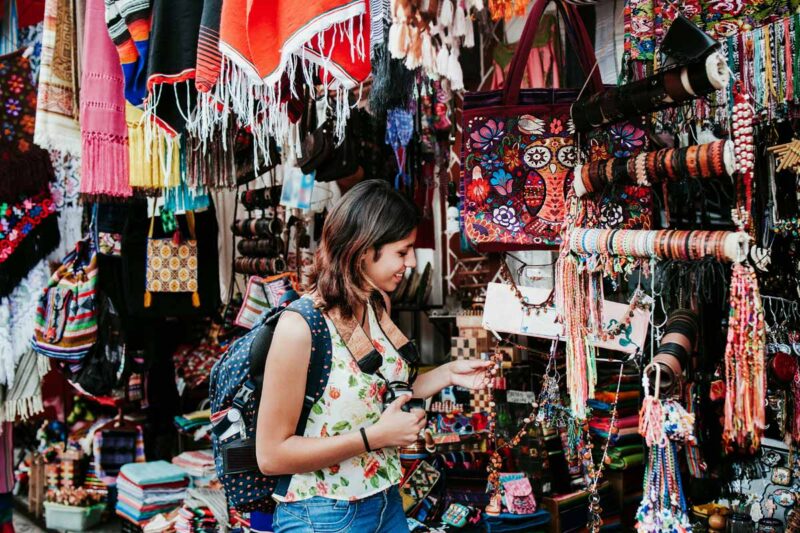
Souvenirs are more than objects you place on a shelf. The right ones can hold the memory of a city, the warmth of a meal shared with strangers, or the thrill of standing in front of a landmark for the first time. Choosing meaningful souvenirs takes a bit of thought, but when done right, they become treasures that stay with you long after the trip ends.
This guide will help you understand what to look for and how to pick keepsakes that won’t just gather dust but will carry stories worth retelling.
Why Souvenirs Should Be More Than Just Objects
When people rush through airports or souvenir shops, they often grab magnets or t-shirts with city names. While fun at the moment, many of these items lose their charm quickly. A good souvenir should remind you of experiences: the smell of fresh coffee in a small Colombian town, or the craftsmanship you admired in a Turkish bazaar. Meaningful souvenirs capture both place and feeling. They become a trigger for storytelling, not just decoration.
One important factor is longevity. A delicate figurine might look beautiful but could break during travel. Instead, consider how an item will fit into your life over time. Will it be displayed, used, or passed along as a gift? Thinking about this before buying ensures that your souvenirs keep their purpose long after the trip is over.
Personalization Makes a Souvenir Stand Out
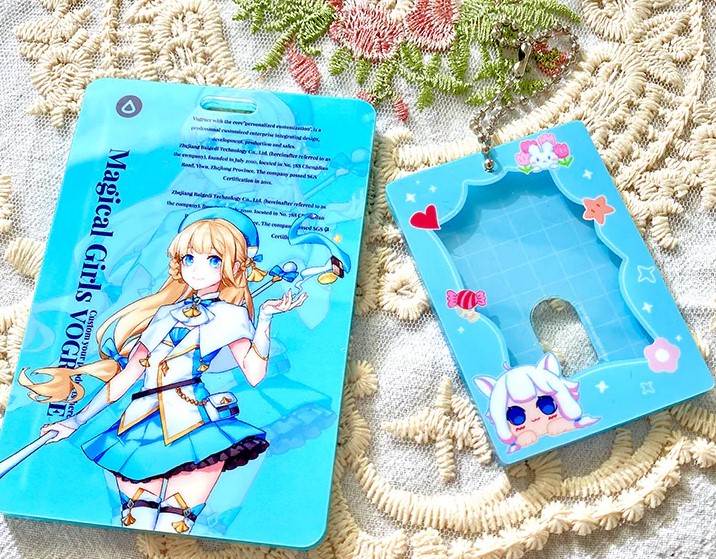
Sometimes, the difference between a forgettable souvenir and a cherished one comes down to personalization. Even a small item can feel special if it is tailored to you. For example, a simple acrylic keychain designed with your favorite travel photo or a symbol of the place you visited can hold more meaning than a generic keychain from a tourist stall. Personal touches like engravings, initials, or customized artwork add layers of connection, making the item a memory rather than a commodity.
This doesn’t mean everything has to be custom-made, but when you see an option to add your own spin to an item, it’s worth considering. Personalization turns even the most practical souvenirs into keepsakes you’ll carry proudly.
Choosing Locally Made Items for Authenticity
If you want souvenirs that truly represent a destination, go for items made by local artisans. Handwoven textiles in Peru, olive wood carvings in Greece, or handmade ceramics in Morocco carry not just the essence of the place but also the hands of the people who created them. Buying these souvenirs supports local economies and keeps cultural traditions alive.
When browsing local markets, don’t just buy the first thing you see. Take time to ask vendors about the origin of their goods. Many will gladly share stories about how an item was made, and these stories add weight to the memory. Items tied to tradition will hold up better than mass-produced trinkets, which often end up forgotten in a drawer.
Practical Souvenirs That Fit Into Everyday Life
Souvenirs don’t always need to be purely decorative. Some of the most meaningful keepsakes are the ones you use every day. A coffee mug from a local pottery studio, a wool scarf knitted in the Alps, or a spice mix from a Turkish market are all items that bring your travels into daily routines. Each time you sip from that mug or season a meal, you are reminded of your trip.
Practical souvenirs also tend to last longer because they are used and valued, not just stored away. Think about your own habits: if you love cooking, spices or utensils are a perfect choice. If you write or sketch, notebooks, pens, or small crafts related to your hobbies can be both functional and memorable.
Creating a Collection
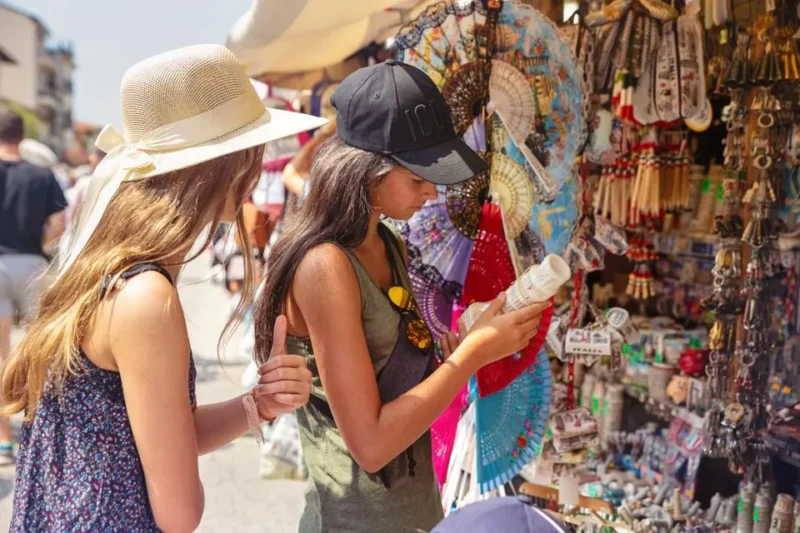
For frequent travelers, building a themed collection is a smart way to make souvenirs more meaningful. Some people collect small artworks, others gather jewelry, while some choose to collect postcards or local stamps. By sticking to a theme, your souvenirs become part of a larger story, not just isolated objects.
For example, a traveler who collects masks from each country visited will eventually have a wall of cultural expression that shows both their journey and the differences between regions. A stamp collector might build an album that doubles as a global history book. Collections allow you to look back not just on one trip but on your entire travel history.
Mixing the Sentimental With the Practical
The most meaningful souvenirs are often a mix of emotional and functional value. For instance, bringing home a recipe book from Italy isn’t just about having a book, it’s about reliving the meals you tasted there. A hand-carved chess set from Eastern Europe can serve as entertainment and a display piece. These items aren’t just about where you’ve been but also about how you continue to experience that place in your daily life.
Tips to Avoid Souvenir Regret
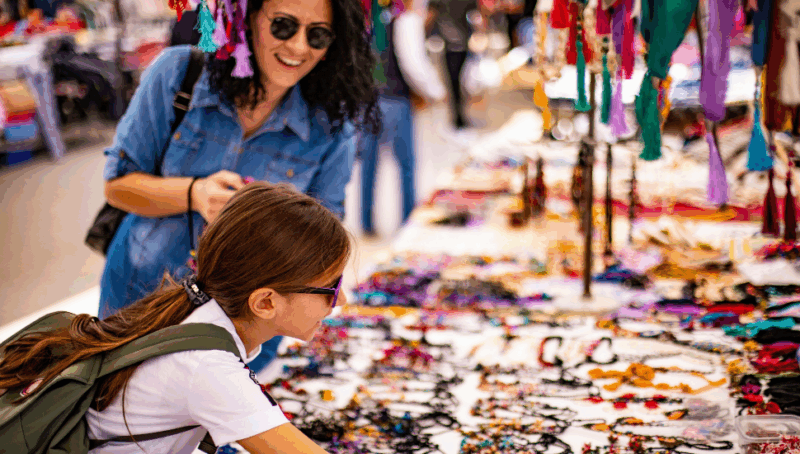
It’s common to regret purchases made in the rush of travel. To avoid this, follow a few strategies:
- Pause before buying ─ If something catches your eye, walk around and return later. If it still feels important, it’s worth getting.
- Ask yourself why ─ Does this item connect to a memory or story, or is it just convenient?
- Choose quality over quantity ─ One lasting souvenir beats five cheap trinkets.
- Check authenticity ─ Avoid items labeled “local” that are actually mass-produced imports.
By being intentional, you save space in your luggage and end up with items you’ll appreciate long after returning home.
Final Thoughts
Souvenirs are not about filling shelves but about filling your life with reminders of where you’ve been and what you’ve experienced. The best ones carry both memory and meaning, blending cultural authenticity with personal connection.
Whether you bring home a piece of art, a spice blend, or a small personalized token like an acrylic keychain, the value lies in how the souvenir makes you feel years after the journey.
Travel is temporary, but the right souvenir can make it last a lifetime.