

Algae are simple aquatic organisms that play a vital role in maintaining the balance of ecosystems.
They produce oxygen through photosynthesis, serve as a food source for many species, and help regulate nutrient levels in water.
During summer, high temperatures and prolonged sunlight create optimal conditions for algae growth, often leading to visible changes in water bodies.
While algae naturally occur in lakes, rivers, and ponds, certain situations give rise to harmful algal blooms (HABs).
These blooms can produce toxins and cause severe harm to human health, animals, and the environment.
Causes of Rapid Algae Spread in Hot Weather
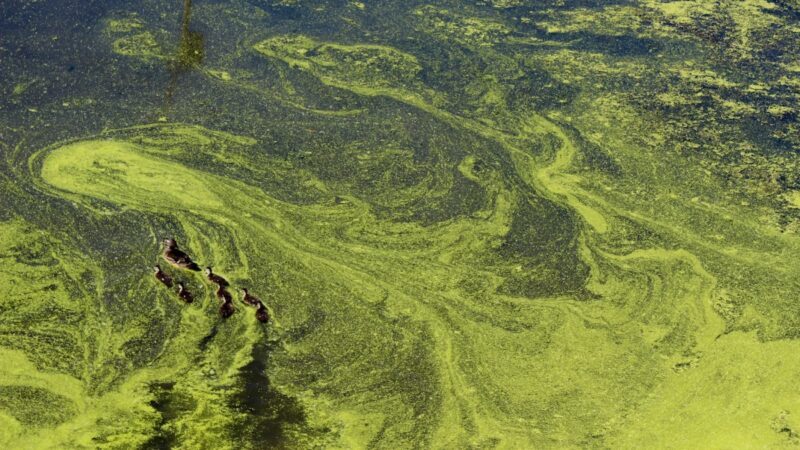
Hot weather creates ideal conditions for algae to thrive in both natural and artificial water bodies.
Multiple factors contribute to rapid growth, ranging from environmental conditions to human activity.
Environmental Factors
Extended exposure to high temperatures and intense sunlight speeds up photosynthesis, allowing algae to multiply faster than normal.
Stagnant or poorly circulating water reduces mixing, enabling algae to remain near the surface where sunlight is abundant.
Stratification in the water column, known as the thermocline effect, traps nutrients in the upper layers, creating a nutrient-rich environment that fuels further growth.
Key environmental drivers include:
- Prolonged heat waves and high sunlight intensity
- Minimal water movement in ponds, lakes, or reservoirs
- Thermal layers that concentrate nutrients in surface waters
Nutrient Overload
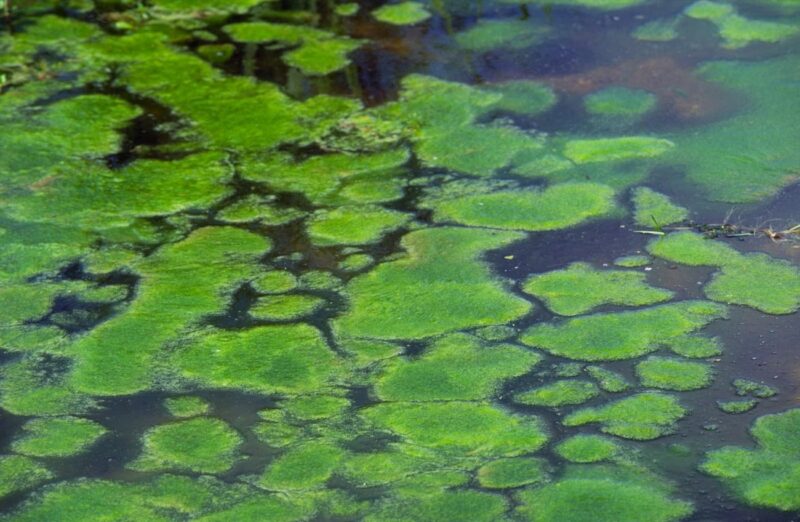
Nutrient enrichment is one of the most powerful triggers for algae blooms.
Phosphorus and nitrogen, often introduced by human activity, act like fertilizer for aquatic microorganisms.
Common sources include agricultural runoff, untreated or poorly treated wastewater, and stormwater drainage.
In lakes and ponds, a process called eutrophication occurs when decaying organic material releases stored nutrients back into the water, creating a continuous cycle of growth.
Primary nutrient contributors include:
- Runoff containing fertilizers from lawns and farms
- Wastewater discharge into rivers or lakes
- Organic matter breakdown releasing stored nutrients
Human and Usage Factors
Human interaction with water bodies, especially recreational areas, can significantly influence algae growth.
Pools with high swimmer loads experience greater disturbances to water chemistry, making it easier for algae to develop.
Maintenance lapses such as inadequate filtration or irregular cleaning allow small algae colonies to flourish quickly during warm periods.
Common human-related triggers include:
- Overcrowded swimming pools during peak summer
- Poor or infrequent cleaning and brushing of pool surfaces
- Limited filtration cycles, especially in hot weather
Short-Term Control Measures
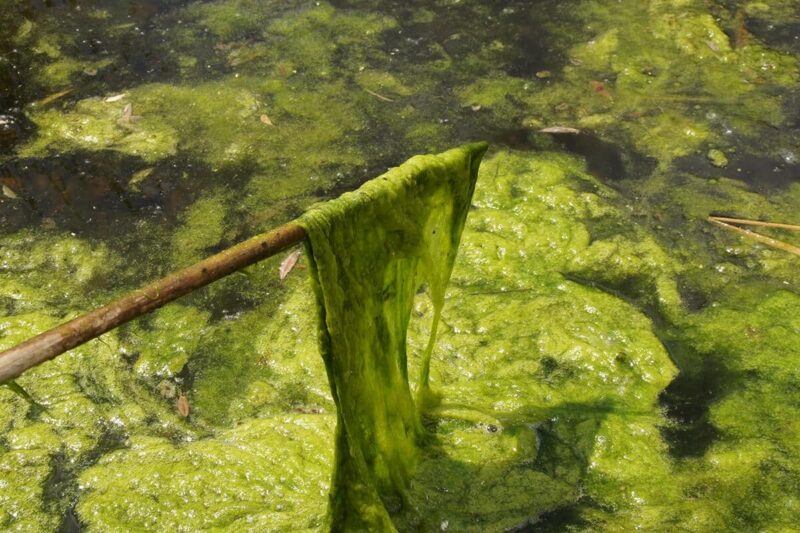
Addressing algae growth in the short term involves tailored approaches for natural water bodies and man-made pools.
For Natural Water Bodies
Ultrasonic systems can target specific algae species without harming other aquatic life.
Aeration increases dissolved oxygen, reducing the conditions that favor algae growth. A water blower can push surface water and break up algae clusters, improving circulation and reducing stagnant areas.
Mechanical mixing disrupts thermal stratification, making it harder for blooms to establish.
Cautious chemical treatments may be considered, though they carry ecological risks and should be applied with expert guidance.
For Pools
Shock chlorination kills algae quickly when combined with proper filtration. Applying algaecide according to the manufacturer’s instructions helps prevent regrowth.
Increasing filtration time to at least 8–12 hours per day during hot weather improves water quality.
Regular brushing of pool walls and vacuuming prevents algae from attaching and multiplying.
Recognizing a Harmful Algal Bloom
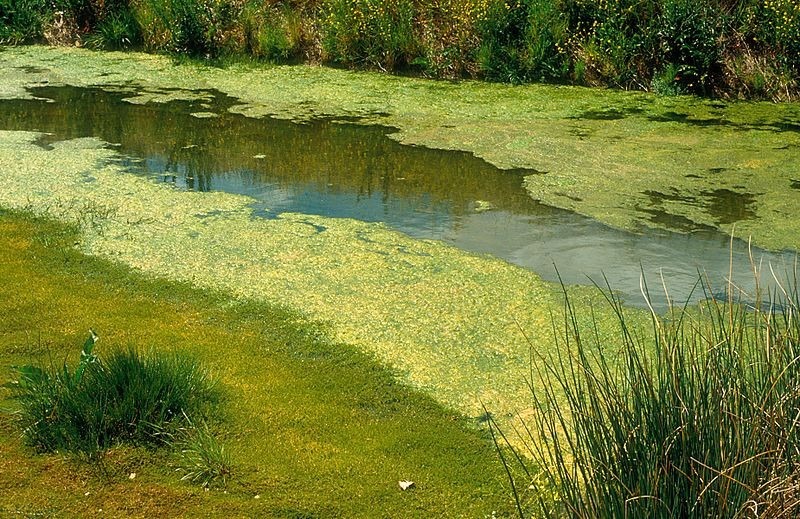
Not all algae growth is harmful, yet certain blooms pose serious risks to people, animals, and the environment.
Being able to identify the signs of a harmful bloom is essential for early intervention.
Visual Signs
Water that appears bright green, turquoise, gold, or red in color may signal a harmful bloom.
A “pea soup” appearance, paint-like surface streaks, or large floating clumps are common indicators.
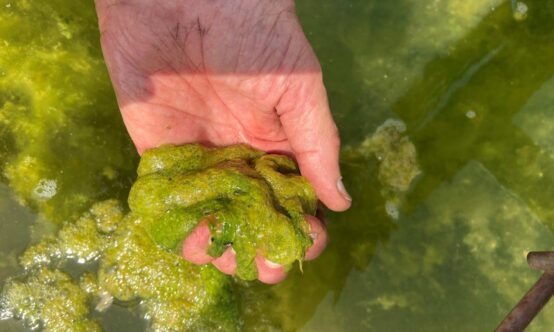
Sticky residues on nets, boats, or skin after contact with the water can also be a warning.
Other Indicators
A strong and unpleasant odor often accompanies harmful algal blooms.
In some cases, dead fish or visibly stressed aquatic organisms may be observed, pointing to oxygen depletion or toxin release.
Toxic vs. Non-Toxic Algae
Some algae species, particularly cyanobacteria or blue-green algae, are capable of producing dangerous toxins that affect the liver, nervous system, or skin.
Relying solely on visual cues can be misleading, as toxic and non-toxic blooms may appear similar.
Laboratory testing is necessary to confirm the presence of harmful toxins, making it a crucial step in responsible bloom management.
Health and Environmental Risks

Harmful algal blooms can have wide-ranging consequences that affect humans, animals, aquatic ecosystems, and local economies.
Addressing these threats requires recognizing the different types of damage they can cause and taking timely measures to prevent escalation.
Human Health
Direct contact with contaminated water is one of the most common pathways for algae-related health issues.
Skin exposure can lead to rashes, redness, itching, or irritation. Breathing in airborne particles or mist created by wind and waves can cause coughing, throat irritation, and breathing difficulties.
Swallowing contaminated water or eating affected fish or shellfish carries greater danger, potentially leading to nausea, vomiting, diarrhea, or even liver damage in severe cases.
Key human health risks include:
- Skin rashes, redness, and irritation
- Respiratory issues from airborne toxins
- Gastrointestinal problems such as nausea, vomiting, and diarrhea
- Liver damage after consuming contaminated water or seafood
Animal Health
Pets and livestock are particularly vulnerable because they often drink directly from contaminated sources without hesitation.
Animals exposed to toxic algae can deteriorate rapidly, making early detection and veterinary care critical.
Common symptoms of poisoning include drooling, loss of coordination, tremors, vomiting, diarrhea, and unusual lethargy.
Main animal health concerns involve:
- Drooling and excessive salivation
- Muscle tremors or seizures
- Vomiting and diarrhea
- Sudden fatigue or collapse
- Risk of death without immediate treatment
Ecosystem Damage
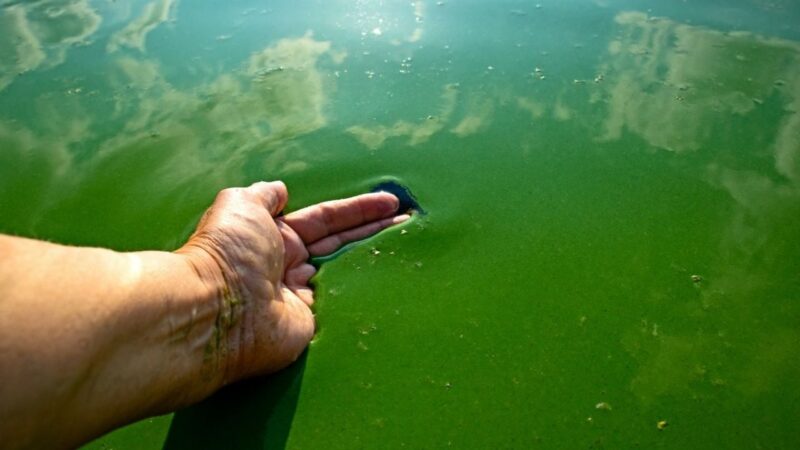
Excessive algae growth disrupts aquatic ecosystems by blocking sunlight and preventing submerged plants from photosynthesizing.
When large blooms die off, decomposition removes oxygen from the water, triggering fish kills and altering the balance of aquatic life.
In extreme cases, hypoxic or “dead zones” develop, leaving areas where most life cannot survive.
Environmental impacts can include:
- Reduced sunlight penetration affecting plant growth
- Disruption of aquatic food chains
- Oxygen depletion leading to fish kills
- Long-term habitat loss due to hypoxia
Economic Impacts
Algal blooms can have serious economic repercussions for communities dependent on water-related activities. Tourism often suffers when beaches and recreational waters close.
Water treatment plants face higher costs to remove toxins, while fishing and aquaculture businesses may see reduced harvests or total losses.
Economic consequences typically involve:
- Loss of tourism revenue
- Increased water treatment costs
- Decline in fishing and aquaculture productivity
- Financial hardship for communities reliant on water-based industries
Summary
Swift action during summer heat is essential to prevent algae from spreading uncontrollably.
Immediate control measures can:
- Protect health
- Preserve ecosystems
- Reduce economic damage
Long-term success depends on balancing urgent interventions with sustainable practices that address the root causes of blooms.
Coordinated efforts between individuals, communities, and authorities ensure safer waters for everyone.