
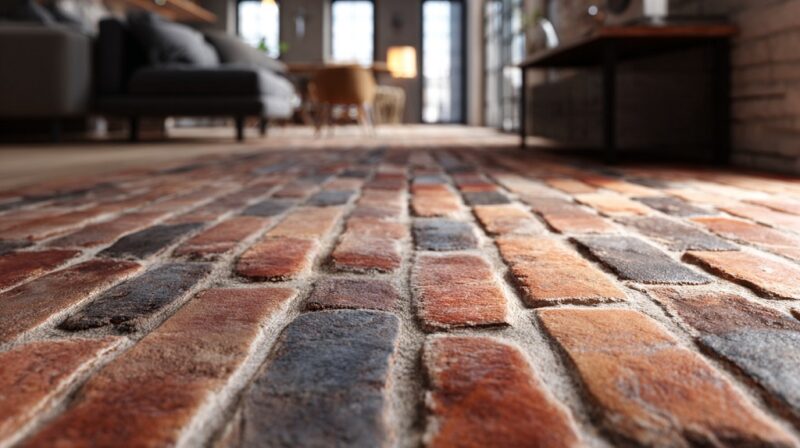
Eco-friendly renovation is not a passing fad. More homeowners now want upgrades that save money, cut waste, and keep their living spaces healthy. A house that works with nature instead of against it creates comfort and value in ways that outlast flashy design trends.
Truly green renovation blends practical fixes with smart design. Some changes are big investments, like solar panels or new insulation.
Others are smaller choices, like paint that avoids harsh chemicals. Every choice matters, and when combined, they shape a home that costs less to run and feels better to live in.
Materials That Do More Than Look Good
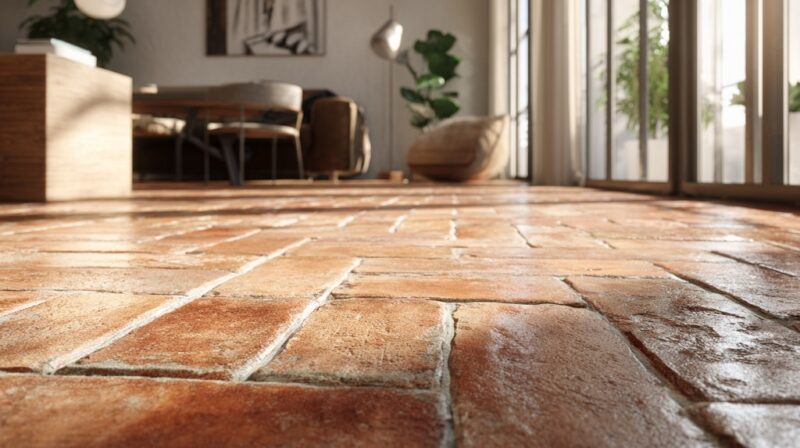
The surfaces and finishes chosen for a home set the tone for both style and sustainability. Homeowners are discovering that eco-friendly choices often outperform conventional ones. Thin brick flooring is one example, offering a durable surface that uses fewer resources yet still feels timeless. Reclaimed wood, bamboo, and cork bring similar value, all while cutting down on waste.
Low-VOC paints and natural sealants keep indoor air cleaner. Cabinets made from formaldehyde-free plywood reduce long-term exposure to toxins. Countertops built from recycled glass or composite stone show how waste can become beauty.
The right materials create healthier homes while also lasting longer.
The appeal goes beyond durability. Natural finishes often age gracefully, adding character instead of looking worn out. That means less need for replacements and repairs, which saves both money and resources.
Ideas for Eco-Friendly Material Choices
- Buy from local suppliers to cut down on transport emissions.
- Ask about certifications that prove wood or stone was responsibly sourced.
- Explore reclaimed doors, beams, or fixtures that give old items a new story.
Extra Insights
- Pair radiant heating with stone or brick for steady warmth in winter.
- Use cork not only for floors but also for wall panels that add sound control.
- Try lime or clay plasters that help regulate moisture in a natural way.
Energy Upgrades That Pay for Themselves

Energy use drives most utility bills, and cutting that waste makes the biggest impact. Renovation projects now lean toward efficiency first.
Good insulation in the attic, walls, and floors traps comfort inside instead of letting it leak out. Sealing cracks around windows and doors stops drafts before they start.
Heating and cooling systems have also advanced. Heat pumps and zoned systems deliver steady comfort with less energy. Smart thermostats fine-tune temperatures, saving money with every adjustment.
Solar panels are now common sights on rooftops, often paired with battery systems that store power for evenings and outages.
Even lighting has shifted. LED bulbs last for years and use a fraction of the power of older models. Appliances with Energy Star labels offer similar returns, running quietly and efficiently without sacrificing performance.
Steps Toward Better Efficiency
- Replace outdated appliances with efficient models.
- Install ceiling fans to ease the burden on heating and cooling systems.
- Switch every bulb in the house to LED.
Long-Term Energy Planning
- Design window placement for natural sunlight and warmth.
- Consider cool roofing materials that reflect heat in summer.
- Explore geothermal systems that provide steady heating and cooling.
Smarter Ways to Save Water

Water conservation has moved from a concern to a necessity. Many homes now include low-flow showerheads and dual-flush toilets as standard. Those simple upgrades slash usage without reducing comfort.
Rainwater harvesting systems turn rooftops into catchment areas for garden use. Greywater systems reuse sink and shower runoff for landscaping. Outdoors, native plants need less irrigation and thrive with local rainfall.
Drip systems water roots directly, cutting waste that comes from sprinklers.
Water-saving design not only benefits the planet but also shields homeowners from rising water bills. A house built to conserve water keeps functioning even in dry years.
Quick Fixes for Water Savings
- Add faucet aerators to cut flow without cutting pressure.
- Choose water-efficient dishwashers and washing machines.
- Install timers on outdoor sprinklers.
Deeper Renovation Ideas
- Build rain gardens that capture runoff and reduce flooding.
- Add underground cisterns for large-scale rainwater storage.
- Install smart irrigation systems that adjust to weather patterns.
Smarter Kitchens and Bathrooms
Kitchens and bathrooms shape daily life and use the most resources. Renovating them with eco-friendly ideas makes a difference every day. Induction cooktops use less power and heat faster. Recycled glass or concrete countertops replace mined stone.
Cabinets from reclaimed wood or bamboo last for decades without harmful adhesives.
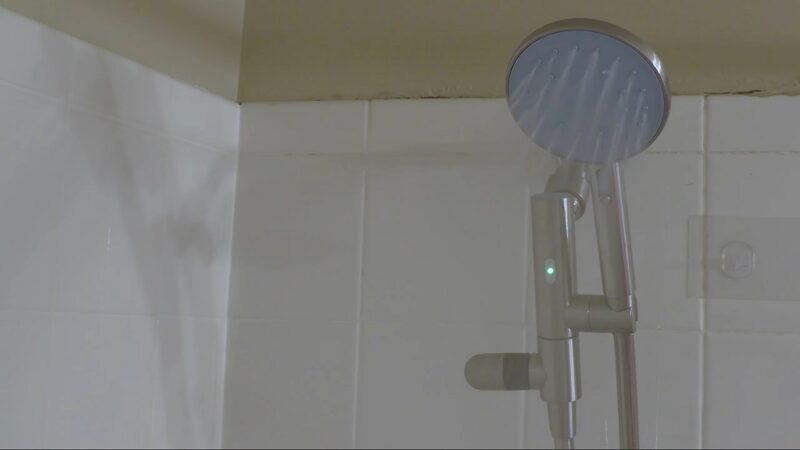
Bathrooms benefit from efficient showerheads, water-saving toilets, and moisture-resistant paints that avoid mold. Skylights or solar tubes reduce the need for artificial lighting, brightening spaces with natural sunlight.
Sustainable design also creates beauty. Tiles made from recycled materials tell a story of reuse. Fixtures with a brushed metal finish avoid toxic coatings. A well-planned space becomes both modern and responsible.
Smart Tips for Kitchens and Bathrooms
- Pick induction cooktops for safer, faster, and greener cooking.
- Choose recycled-content tiles for backsplashes and showers.
- Use motion-sensor faucets to cut down on wasted water.
Extra Touches That Matter
- Add compost bins directly in the kitchen design.
- Include built-in recycling centers behind cabinet doors.
- Place heated towel racks on timers for comfort without waste.
Air Quality and Healthy Living
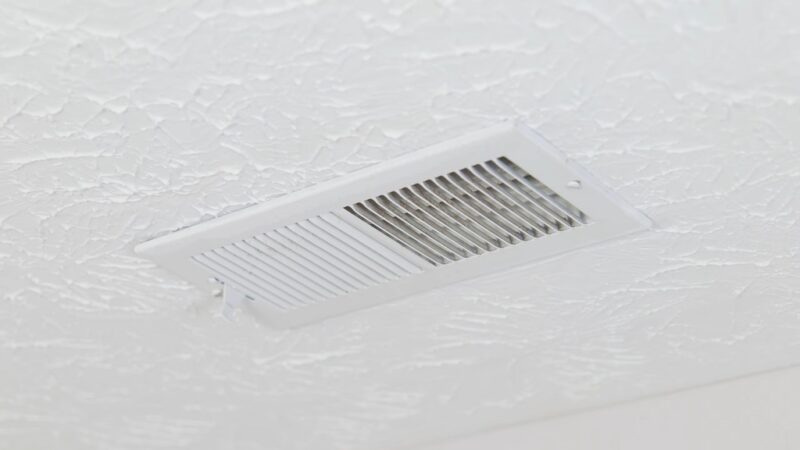
Eco-friendly renovation also focuses on health. Air quality indoors can sometimes be worse than outdoors, but smart upgrades fix that. Proper ventilation systems keep fresh air moving.
Whole-house fans or energy recovery ventilators (ERVs) balance airflow while saving heat or cooling.
Plants placed strategically clean air naturally. Non-toxic paints and finishes keep fumes out. Even flooring choices affect air, as carpets can trap dust and chemicals, while natural wood or tile avoids those issues.
Simple Health-Focused Upgrades
- Use low-VOC paints throughout the home.
- Add air-purifying plants in living areas.
- Swap carpets for solid floors that do not trap allergens.
Bigger Steps for Healthy Homes
- Install HEPA filtration in HVAC systems.
- Design layouts for cross-ventilation.
- Use natural insulation like wool that resists mold.
Waste Reduction During Renovation
Renovation projects often create piles of debris, but smarter planning reduces that waste. Many contractors now sort materials for recycling, keeping wood, metal, and concrete out of landfills. Donating old cabinets, appliances, or fixtures gives them a second life.
Choosing modular construction methods creates less scrap. Ordering exact quantities prevents leftovers. Even packaging can be reused or recycled with the right disposal services.
Quick Actions to Cut Waste
- Donate old materials to local reuse centers.
- Recycle metals and concrete separately.
- Plan with precision to avoid excess.
Broader Waste Strategies
- Work with contractors who offer recycling programs.
- Choose materials with
Conclusion
Eco-friendly renovation is not about chasing trends. It is about making homes that last, work better, and feel healthier. Every decision counts, from materials that save resources to systems that cut energy waste.
Thin brick, reclaimed wood, bamboo, solar panels, rainwater collection, and non-toxic finishes all play a role in shaping a house that feels modern but grounded in common sense.
Homeowners who take this path see lower bills, better comfort, and cleaner air. They also know their choices protect the environment in small but real ways. Renovation is often messy and demanding, yet it offers the chance to rethink how a home functions for decades to come.
With every improvement, the result is a space that respects both the people who live in it and the world outside its walls.